

Understanding the Precision Behind Modern Orthodontics
The world of orthodontics has witnessed a remarkable transformation over the past two decades, with Invisalign Bournemouth emerging as a preferred choice for countless patients seeking discreet tooth straightening solutions. Whilst the aesthetic advantages of these transparent devices are immediately apparent, the engineering precision that underpins their effectiveness often goes unnoticed. At the heart of successful treatment lies a critical factor that determines both patient comfort and the speed of orthodontic correction: aligner fit tolerance.
The relationship between how precisely an aligner fits against the teeth and the overall treatment experience cannot be overstated. When patients begin their journey with Invisalign, they may not realise that microscopic variations in aligner fit can significantly influence their daily comfort levels and the biological processes occurring within their gums and bone structure.
The Science of Aligner Fit Tolerance
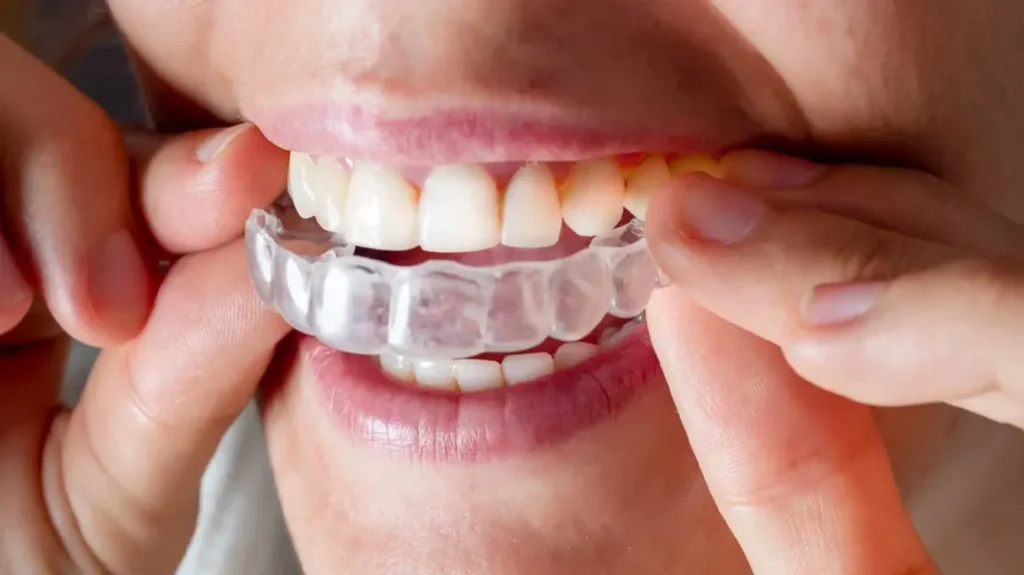
Aligner fit tolerance refers to the degree of variance between the internal surface of the aligner and the external contours of the teeth. This tolerance is not arbitrary; it represents a carefully calculated balance between applying sufficient force to move teeth and maintaining patient comfort throughout the wearing period. Modern clear aligners are designed with tolerances measured in fractions of a millimetre, yet these tiny differences can have substantial implications.
When an aligner fits too loosely, the forces required to shift teeth into their desired positions become inconsistent and unpredictable. The aligner may fail to maintain adequate contact with tooth surfaces, resulting in incomplete or uneven pressure distribution. Conversely, an excessively tight fit can create unnecessary discomfort, increase the risk of gingival irritation, and potentially discourage patients from maintaining the recommended twenty-two hours of daily wear time. For those curious about the broader aspects of clear aligner therapy, common questions about Invisalign treatment provide valuable insights into what patients can expect.
Impact on Patient Comfort Throughout Treatment
The connection between fit tolerance and patient comfort manifests in several tangible ways during the treatment journey. Patients who experience optimal aligner fit typically report minimal discomfort during the initial hours after switching to a new set of aligners. This comfort stems from the even distribution of orthodontic forces across multiple teeth simultaneously, rather than concentrated pressure points that can occur when fit tolerance deviates from ideal specifications.
Speech patterns also demonstrate sensitivity to aligner fit precision. When aligners maintain appropriate tolerance levels, the tongue adapts quickly to their presence, and any initial lisping or altered pronunciation resolves within a day or two. Poorly fitted aligners, however, may continue to interfere with normal speech patterns, creating social discomfort that extends beyond the physical sensations within the mouth. Additionally, the engineering of aligner thickness plays a complementary role in determining overall comfort levels throughout treatment.
Influence on Treatment Progression and Outcomes
Beyond immediate comfort considerations, aligner fit tolerance directly affects the biological processes that enable tooth movement. Optimal fit ensures consistent force application, which stimulates the remodelling of periodontal ligaments and alveolar bone in a controlled, predictable manner. This consistency allows treatment to progress according to the planned timeline, with each aligner achieving its intended tooth movements before the patient advances to the next stage.
Tracking issues—where teeth fail to move as predicted—often trace back to fit tolerance problems. When aligners do not maintain proper contact with tooth surfaces, the intended movements may occur incompletely or not at all. This necessitates refinement scans and additional aligners, extending treatment duration beyond initial estimates. Understanding how aligner thickness variations influence treatment duration provides further context for these complex interactions.
Achieving Optimal Results Through Precision Engineering
The remarkable success rates achieved by modern clear aligner systems reflect decades of refinement in manufacturing processes and digital treatment planning. By maintaining strict tolerances during production and ensuring accurate initial impressions or digital scans, orthodontic professionals can maximise both patient comfort and treatment efficiency. Patients who maintain excellent compliance with wearing schedules and attend regular monitoring appointments enable their practitioners to identify and address any fit-related concerns before they compromise treatment outcomes, ensuring the journey towards a confident smile proceeds as smoothly as possible.